Full Coverage vs Liability Only for an Electric Car
For most EV owners, this decision is already made for you, if you’re financing or leasing, full coverage is contractually required, not optional. But once your loan is paid off or you own the car outright, it becomes a genuine choice, and for an EV specifically, that choice carries higher stakes than the same decision for a gas car. This guide walks through exactly how to make that call.
Key takeaways:
- Full-coverage EV insurance now averages about $547 a month nationally, down 19% from 2024, while the gap versus gas cars has narrowed to about 59% more expensive at full coverage and just 4% more at state minimum.
- Liability-only coverage pays for damage and injuries you cause to others; it pays nothing toward repairing or replacing your own EV, regardless of fault.
- The standard «10% rule,» drop full coverage once its annual cost exceeds 10% of your car’s current value, applies to EVs too, but needs a second condition: you must be able to genuinely afford full replacement out of pocket.
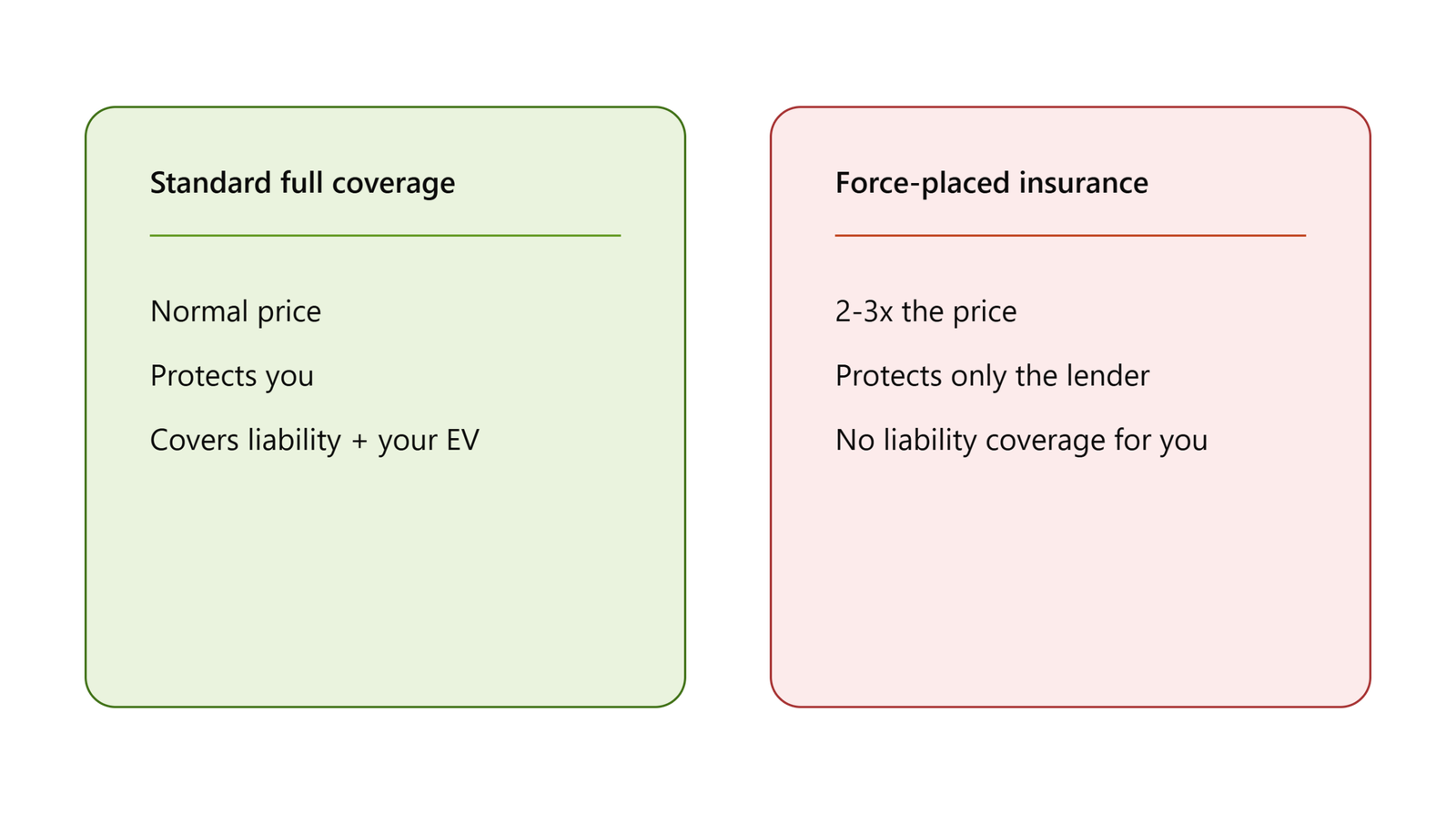
- If you’re financing or leasing and drop required full coverage anyway, your lender can force-place their own policy, which costs 2 to 3 times more than standard coverage and protects only their financial interest, not yours.
The core difference, in one sentence each
Liability-only coverage pays for the other party’s injuries and property damage when you’re at fault in an accident. It is the minimum legal requirement in nearly every state, but it pays nothing toward repairing or replacing your own vehicle, regardless of who caused the accident.
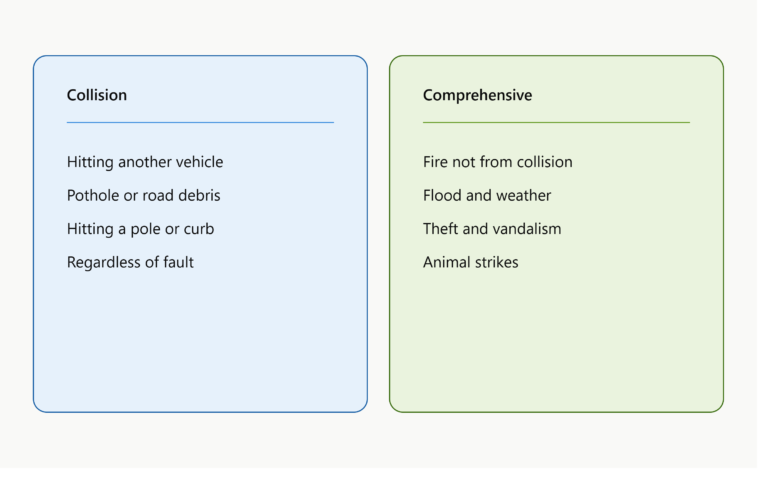
Full coverage (liability plus comprehensive and collision, as covered in our dedicated comprehensive versus collision guide) adds protection for your own EV: collision damage, theft, fire, vandalism, and weather events, subject to your deductible.
Why this decision carries more weight for an EV
As covered throughout this site, EVs cost meaningfully more to repair and replace than comparable gas cars, driven by expensive battery packs, proprietary parts, and a higher likelihood of total-loss declarations even for moderate damage. This changes the liability-only calculation in a specific way: the «worst case» scenario if you’re driving liability-only and cause a single-vehicle accident, hitting a tree, a guardrail, losing control on ice, isn’t just losing your car, it’s absorbing a repair or replacement bill that, per our detailed battery cost guide, can run into the tens of thousands of dollars, entirely out of pocket, with zero contribution from insurance.
The real cost numbers in 2026
Full-coverage EV insurance now averages about $547 a month nationally ($6,564 a year), down from $672 a month in January 2024, a 19% decline as the category has matured. The gap between EV and gas car pricing has also narrowed meaningfully: at full coverage, EVs run about 59% more expensive than gas cars in 2026, down from 68% in 2024. At state-minimum liability coverage specifically, that gap has shrunk dramatically, to just about 4% in 2026, down from roughly 17% in 2024.
This narrowing gap is worth factoring into your decision: the financial argument for carrying full coverage on an EV has actually strengthened over the past two years, not weakened, since full coverage has gotten relatively more affordable even as the underlying protection, given how expensive EV repairs remain, hasn’t changed.
The 10% rule, and why it needs a second condition for EVs
The standard industry guidance for when to consider dropping full coverage: once your annual full-coverage premium exceeds 10% of your car’s current market value, the cost-to-protection ratio may no longer make sense. If your EV is currently worth $15,000 and your full coverage premium runs $1,800 a year, you’re at 12%, arguably past the point where dropping to liability-only is worth considering.
But for an EV specifically, this rule needs a second, equally important condition layered on top: you must genuinely be able to afford full replacement out of pocket without disrupting your household finances. Given how much more an EV costs to replace than a comparable gas car, as covered throughout this site, the 10% rule alone can understate your real risk. A gas car and an EV might both fail the 10% test at similar premium-to-value ratios, but the EV’s actual out-of-pocket exposure if something goes wrong is typically higher in absolute dollars, precisely because EVs cost more to begin with. Run both tests, the percentage rule and the genuine «could I write this check today» test, before dropping full coverage on an EV.
When full coverage clearly makes sense
You’re financing or leasing. This isn’t really a choice, your lender or lessor requires it for the life of the loan or lease, as covered in our leasing versus financing guide.
Your EV is relatively new and hasn’t depreciated much yet. As covered in our GAP insurance guide, EVs depreciate steeply in the first few years, meaning a newer EV’s replacement cost, and therefore your exposure without full coverage, remains high during exactly the period when you’re least likely to have saved enough to self-insure that risk.
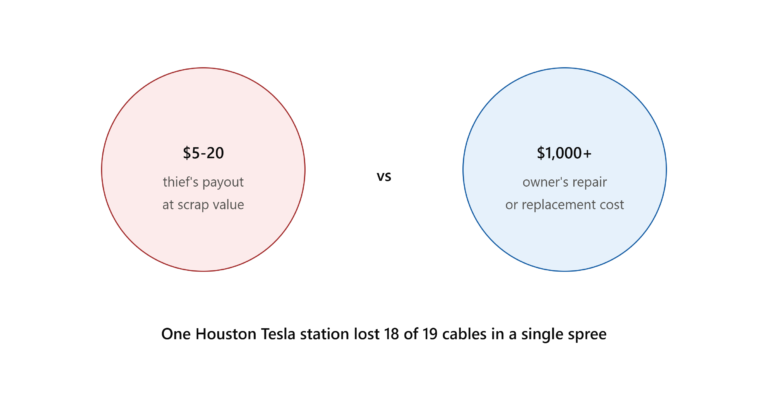
You live in an area with elevated theft, vandalism, or severe weather risk. As covered in our Tesla-specific research, certain EV models have faced elevated theft and vandalism activity in recent years, and comprehensive coverage is specifically what responds to those scenarios.
You couldn’t comfortably absorb a five-figure unexpected expense. This is the plain-language version of the affordability test covered above, and it should carry more weight than the percentage-based 10% rule alone for a vehicle category with EV-level repair costs.
When dropping to liability-only becomes reasonable
You own the EV outright, with no loan or lease obligation requiring full coverage.
The EV is older and has depreciated substantially, to the point where its current value genuinely fails the 10% rule against your full-coverage premium.
You have significant savings specifically earmarked to self-insure this risk, meaning you could replace the vehicle or absorb a major repair without financial strain, not just theoretically but with actual funds set aside.
You’re comfortable with the actual worst-case scenario, informed specifically by the EV repair and replacement costs covered throughout this site, not by gas-car-scale assumptions about what «worst case» typically means.
The force-placed insurance trap, worth knowing before you drop coverage
This is a genuinely important detail that doesn’t get enough attention. If you’re financing or leasing your EV and you drop required full coverage anyway, whether intentionally or by letting a policy lapse, your lender can, and typically will, force-place their own insurance policy on the vehicle. This creditor-purchased policy costs 2 to 3 times the price of standard full coverage, and critically, it protects only the lender’s financial interest in the vehicle, not you. It won’t cover your liability to others, your medical expenses, or anything beyond what’s needed to protect the lender’s collateral. If you’re even considering dropping full coverage on a financed or leased EV, confirm directly with your lender that you’re actually eligible to do so, since attempting to drop required coverage typically triggers exactly this expensive, unhelpful outcome rather than the savings you were hoping for.
A practical decision framework
- Check whether you’re financing or leasing. If so, this decision isn’t yours to make yet, full coverage is required, and attempting to drop it risks the force-placed insurance trap covered above.
- Calculate your EV’s current market value honestly, not its original purchase price, using a realistic trade-in or private-sale estimate.
- Run the 10% rule: is your annual full-coverage premium above 10% of that current value?
- Run the affordability test separately: could you genuinely write a check today for the full EV-scale replacement cost, not a gas-car-scale estimate, without meaningful financial strain?
- Only drop to liability-only if both tests point the same direction. If the 10% rule says drop it but you couldn’t actually absorb the replacement cost, keep full coverage anyway, the percentage rule is a starting heuristic, not a complete answer for a vehicle category with EV-level repair economics.
- Re-run this analysis periodically, not just once, since your EV’s value, your savings, and the broader EV insurance pricing trends covered above all shift over time.
The bottom line
Full coverage versus liability-only for an EV follows the same basic framework as any vehicle, the standard 10% rule and lender requirements, but the stakes are genuinely higher given how much more expensive EVs are to repair and replace throughout this vehicle category. The good news is that full coverage has gotten meaningfully more affordable over the past two years, down 19% since 2024, even as the underlying protection value hasn’t diminished. If you’re weighing this decision on an EV you own outright, don’t rely on the percentage rule alone, pair it with an honest assessment of whether you could genuinely absorb an EV-scale, not gas-car-scale, replacement cost out of pocket, and if you’re financing or leasing, remember that dropping required coverage typically leads to expensive force-placed insurance rather than real savings.
This article is for informational purposes only and does not constitute financial or insurance advice. Insurance rates, requirements, and lender policies vary by insurer, lender, state, and individual circumstances, and change frequently. Always confirm specific requirements directly with your lender and insurer before changing your coverage.