Insurance Cost: Tesla Model Y vs Ioniq 5 vs Mach-E
These three compact electric SUVs compete directly for the same buyer, and they’re compared constantly on range, charging speed, and interior space. Insurance rarely makes that comparison list, but it should: the gap between them is real, and one specific data point, claims frequency, tells a genuinely surprising story about why the Model Y costs what it does. This guide puts all three head to head.
Key takeaways:
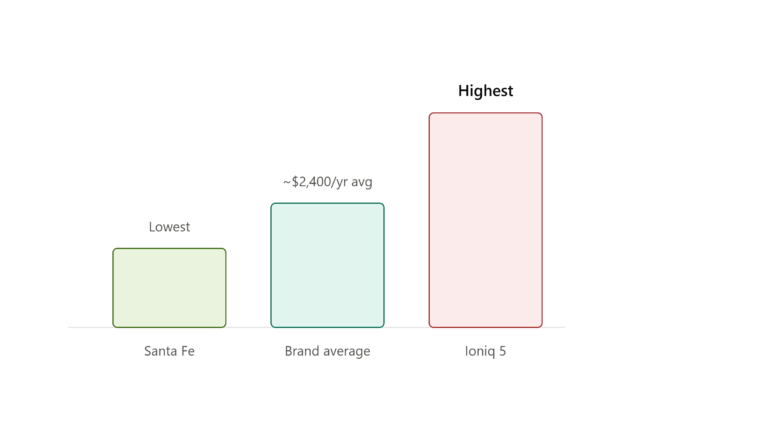
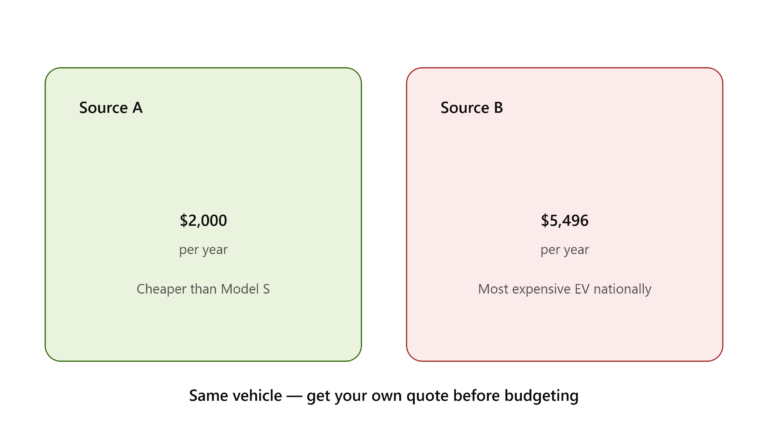
- The Ioniq 5 is consistently the cheapest of the three to insure, commonly under $2,000 to $2,640 a year, while the Model Y and Mach-E run meaningfully higher, often $2,400 to $3,900 depending on trim and source.
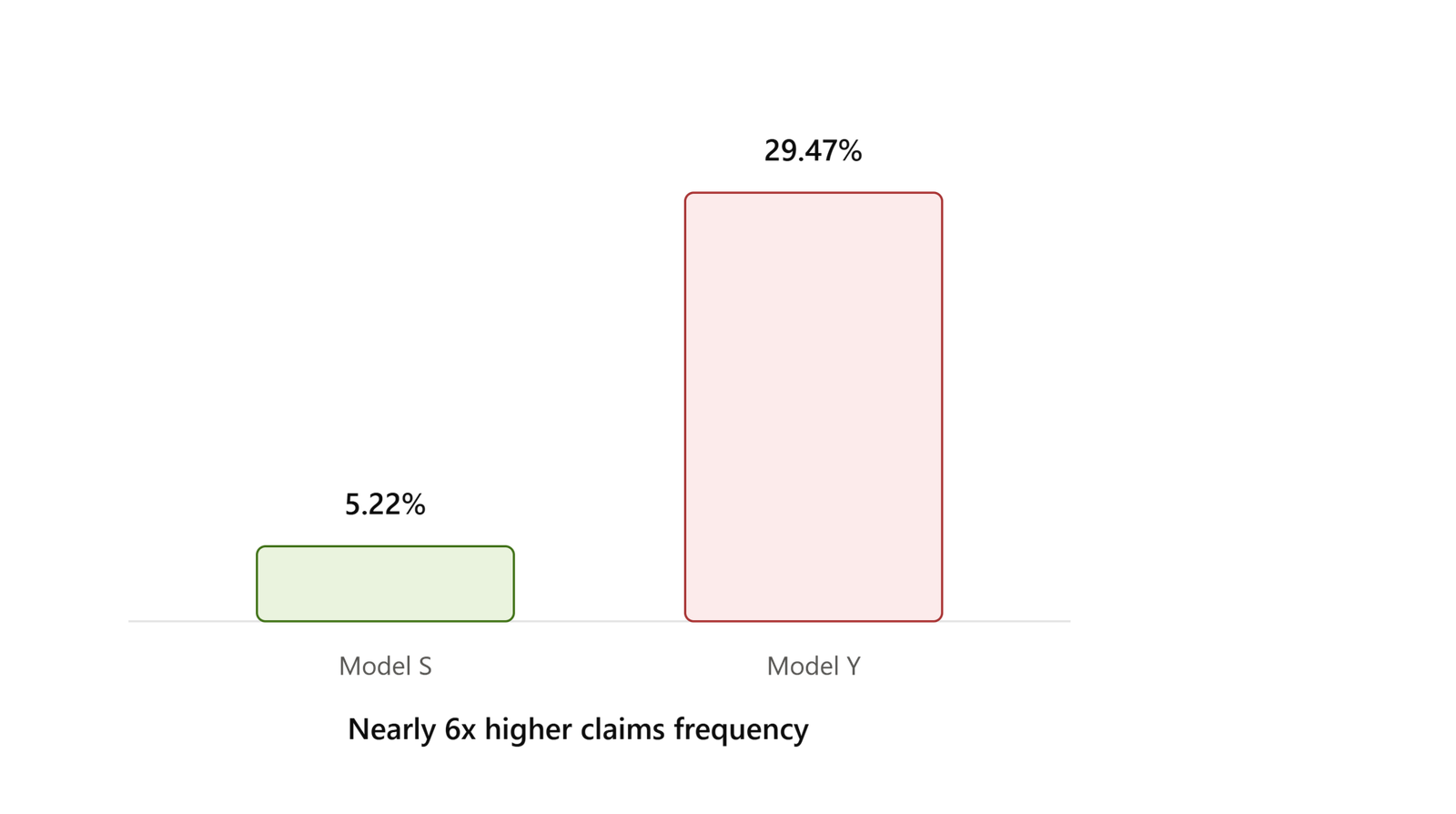
- The Tesla Model Y has a claims frequency of 29.47%, compared to just 5.22% for the Tesla Model S, a genuinely striking internal Tesla statistic that helps explain why the Model Y’s insurance cost doesn’t track its mid-pack Tesla pricing as favorably as its purchase price would suggest.
- The Ioniq 5 still costs 34% more to insure than its closest gas-powered Hyundai sibling, the Kona, confirming that even the cheapest of these three EVs carries a real EV-specific premium.
- All three qualify as mainstream, non-luxury EVs, meaning none of them approach the pricing tier of the Model S, Model X, or luxury competitors covered elsewhere on this site.
The three vehicles, side by side
Pulling together the model-specific data from our dedicated guides to each vehicle:
| Vehicle | Typical full-coverage range | Starting price (approx.) |
|---|---|---|
| Hyundai Ioniq 5 | $1,800–$2,640/year | $41,400–$56,000 |
| Ford Mustang Mach-E | $2,000–$3,197/year | $37,995–$58,490 |
| Tesla Model Y | $2,244–$3,910/year | $41,630–$50,630+ |
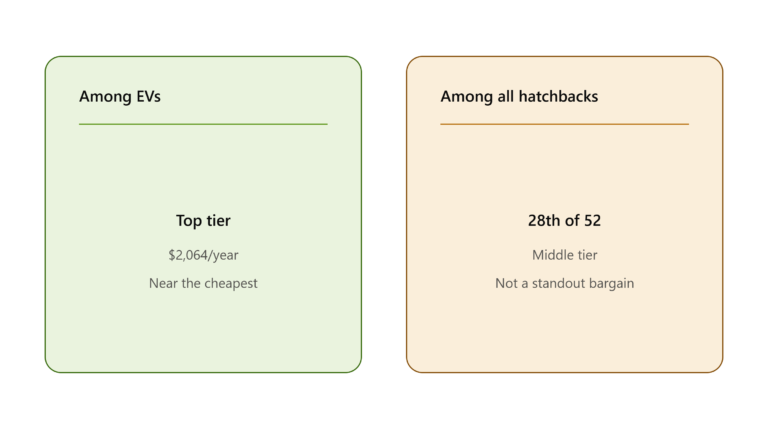
The Ioniq 5 consistently comes out cheapest across the sources reviewed for our dedicated guides to each vehicle, while the Model Y and Mach-E run closer together, with meaningful overlap depending on trim and specific insurer.
The genuinely surprising finding: Model Y claims frequency
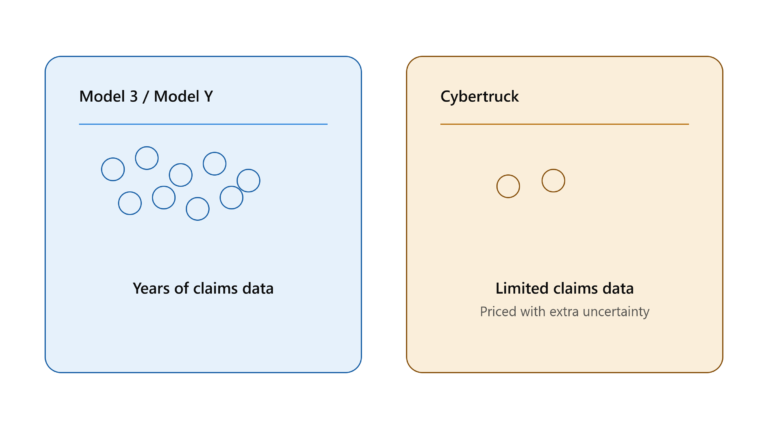
This is worth its own dedicated section, since it’s one of the more specific, data-driven explanations we’ve found anywhere on this site for why a particular model costs what it does. The Tesla Model Y has a documented claims frequency of 29.47%, compared to just 5.22% for the Tesla Model S, according to auto insights company Mitchell’s data. That’s a genuinely enormous internal gap within Tesla’s own lineup, the Model Y generates claims roughly five to six times more often than the Model S.
This matters directly for the Model Y versus Ioniq 5 versus Mach-E comparison, since it explains why the Model Y doesn’t get the same «mainstream EV» pricing break that its Ioniq 5 and Mach-E rivals enjoy relative to their own segments. As the best-selling EV in America, covered in our dedicated Model Y guide, the Model Y is driven more, in more varied conditions, by more drivers, than either the Ioniq 5 or Mach-E, and that real-world exposure shows up directly in its claims data, and therefore its premium, regardless of how the vehicle itself compares on paper to its rivals.
Why the Ioniq 5 wins this specific comparison
Even Hyundai’s own lineup shows the EV premium clearly, but it’s still comparatively modest. The Ioniq 5 costs 34% more to insure than its closest gas-powered Hyundai sibling, the Kona, according to Insurify data, confirming that the EV cost factor applies here too, just from a lower starting baseline than the Model Y or Mach-E.
As covered in our dedicated Ioniq 5 guide, it does hold the distinction of being the most expensive model within Hyundai’s own broader lineup, worth remembering: «cheapest of these three rivals» and «cheap in absolute terms» are different claims, similar to the nuance we applied throughout our other model comparison guides.
Strong safety recognition helps. As referenced in comparison coverage of this three-way matchup, the Ioniq 5 has earned recognition including IIHS accolades in recent years, a factor that, as covered throughout our safety-and-insurance research (the Volkswagen ID.4 and BMW i4 guides in particular), tends to support more favorable insurer pricing.
Why the Mach-E runs where it does
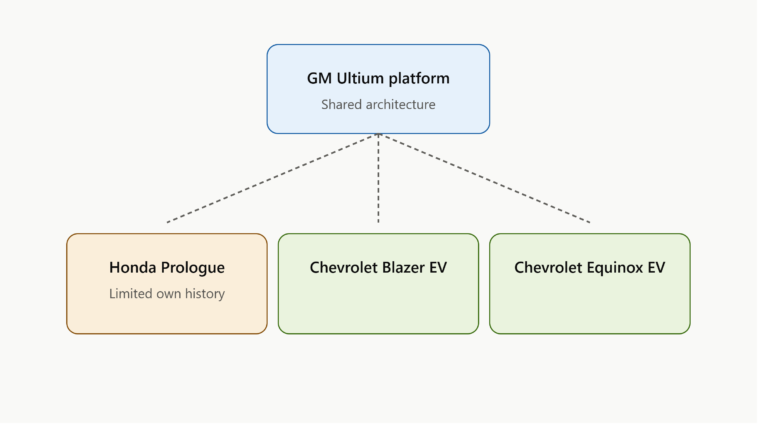
As covered in detail in our dedicated Mustang Mach-E guide, this vehicle carries a genuinely distinct story: it costs about 32% more to insure than its own gas-powered Mustang coupe sibling, one of the wider EV-to-gas gaps documented across our model guides, despite sharing a nameplate with a well-understood gas vehicle. The explanation traced back to limited structural and repair-network overlap between the Mach-E’s dedicated EV crossover platform and the traditional Mustang coupe, meaning the Mach-E doesn’t benefit from the same repair-network head start that helped the Ford F-150 Lightning stay unusually close to its own gas sibling’s pricing.
Why the Model Y runs where it does
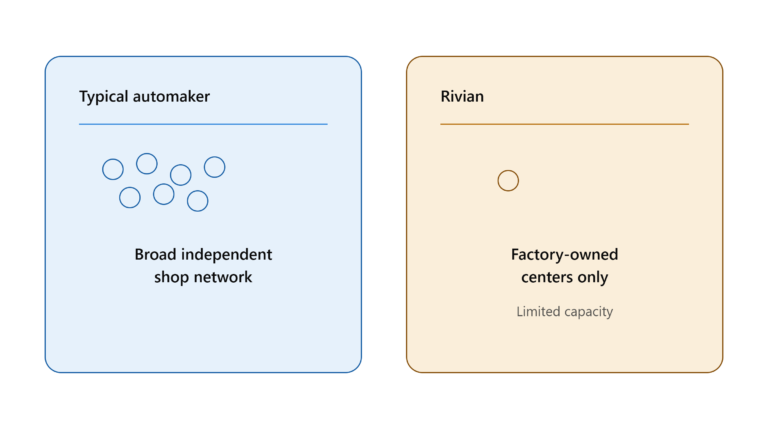
Beyond the claims-frequency finding covered above, the Model Y carries the standard Tesla-specific cost factors documented throughout our broader Tesla research: proprietary parts limiting repair-shop competition, sensor and camera recalibration costs even for minor collisions, and the broader claims-severity patterns that place four of Tesla’s five current models among the 13 most expensive vehicles tracked in one comprehensive industry study. The Model Y sits toward the more affordable end of Tesla’s own lineup, as covered in our dedicated Model Y guide, but Tesla’s lineup as a whole starts from a higher baseline than either the Ioniq 5 or Mach-E’s respective brand lineups.
How the vehicles actually compare beyond insurance, for context
Since these three genuinely compete for the same buyer, it’s worth briefly noting how they stack up on the factors that typically drive the purchase decision in the first place, since insurance cost is only one part of the total picture. The Mach-E generally offers the lowest starting price of the three, undercutting both the Ioniq 5 and Model Y by thousands of dollars in base trim comparisons. The Model Y typically offers the longest range and fastest charging speed within Tesla’s Supercharger network, while the Ioniq 5 stands out for genuinely fast DC charging and, in certain trims, bidirectional charging capability. None of these purchase-decision factors directly determines insurance cost, but they’re worth weighing alongside the premium figures throughout this guide, since the cheapest vehicle to insure isn’t automatically the right choice if it doesn’t meet your actual range, charging, or feature needs.
Practical guidance if you’re choosing between these three
If minimizing insurance cost is a genuine priority, lead with the Ioniq 5, but get real quotes on your specific trim rather than assuming the general pattern holds, following the same caution covered throughout our other comparison guides.
If you’re specifically considering the Model Y, factor in the claims-frequency finding above when budgeting, since it suggests the Model Y’s real-world insurance cost may run higher relative to its purchase price than a simple «mainstream EV» categorization would predict.
If you’re considering the Mach-E specifically for its lower starting price, confirm the insurance gap doesn’t erase that purchase-price advantage. As covered in our dedicated guide, its 32% premium over the gas Mustang is one of the wider EV-to-gas gaps documented on this site, worth weighing against the sticker-price savings.
Get quotes on all three if you’re genuinely undecided. Given how much trim, state, and individual driver profile move each of these vehicles’ pricing, as covered throughout their respective dedicated guides, a real side-by-side quote comparison is worth more than any general ranking, including this one.
The bottom line
Among these three closely competing compact electric SUVs, the Hyundai Ioniq 5 consistently comes out cheapest to insure, though it still carries a real 34% premium over its own gas-powered Hyundai sibling. The Tesla Model Y’s documented claims frequency of nearly 30%, almost six times the Model S’s rate, helps explain why it doesn’t enjoy the same favorable positioning within Tesla’s lineup that its purchase price alone might suggest. The Ford Mustang Mach-E sits between the two, carrying one of the wider EV-to-gas insurance gaps documented across this site relative to its own Mustang nameplate. Whichever of these three you’re considering, the underlying purchase-decision factors, range, charging, features, matter just as much as the insurance premium, and getting real quotes on your specific trim remains the only reliable way to know your actual number.
This article is for informational purposes only and does not constitute financial or insurance advice. Insurance rates vary by insurer, state, model year, trim, and individual driver profile, and change frequently. Always get a personalized quote before making a purchasing decision.