Luxury EV Insurance: Lucid vs Tesla vs BMW
Comparing luxury EV insurance across brands turns up one of the widest data disagreements documented anywhere on this site: one source ranks the Lucid Air as the single most expensive EV to insure in America, while another places it below the Tesla Model S. Both can’t be fully right, and understanding why they disagree tells you something genuinely useful about how to shop for luxury EV insurance. This guide compares Lucid, Tesla, and BMW’s luxury EV offerings honestly, including where the data conflicts.
Key takeaways:
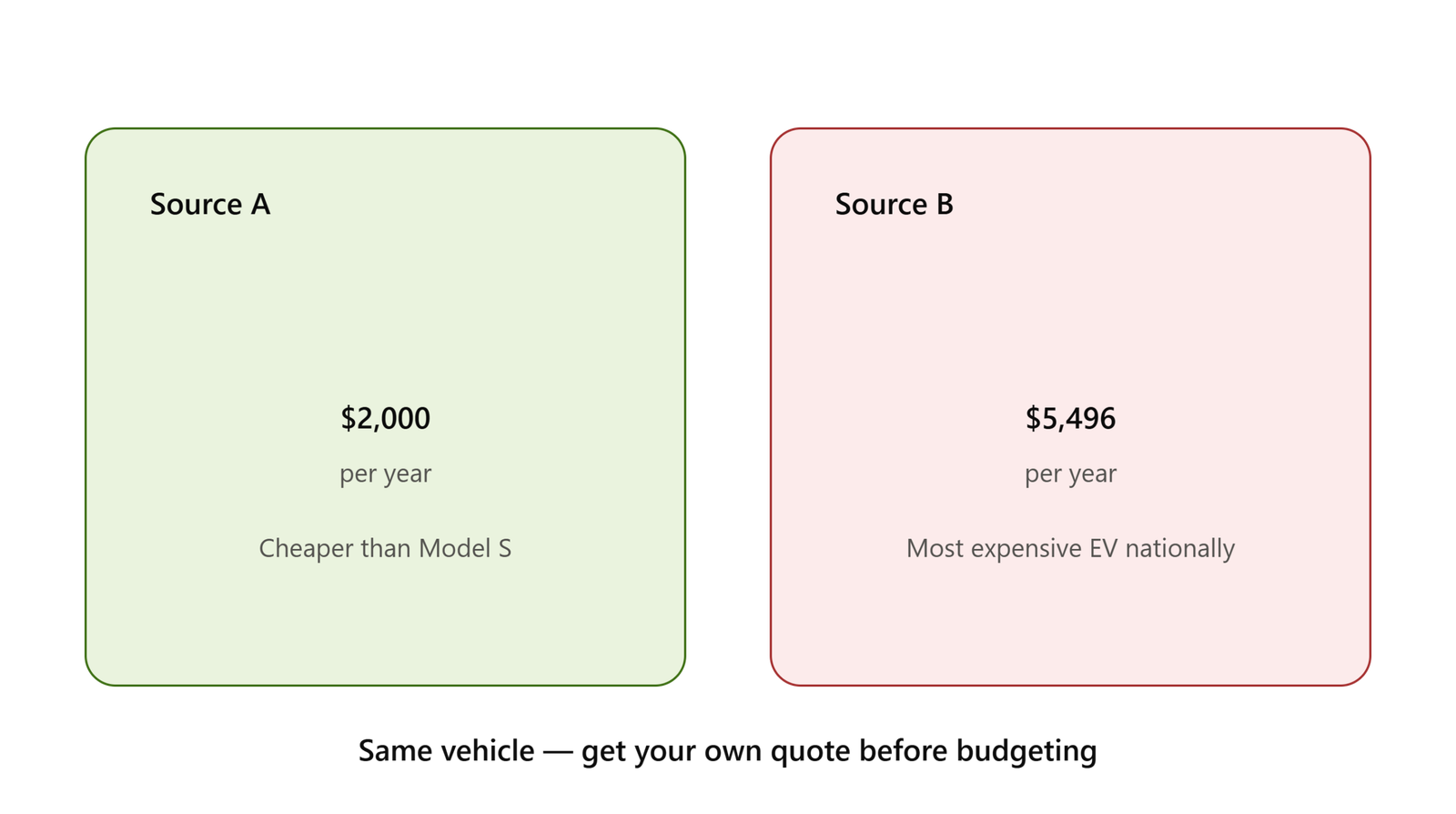
- The Zebra’s data ranks the Lucid Air as the single most expensive EV to insure nationally, at $458 a month, while a separate multi-model comparison places it around $2,000 a year, less than the Tesla Model S, a genuine, unresolved disagreement between credible sources.
- The BMW iX typically lands in the mid-$3,000s a year for full coverage, positioned in the middle of the luxury electric SUV pack against Audi, Mercedes, and Tesla rivals.
- Five Audi e-tron models and four of Tesla’s five current models account for nine of the 13 most expensive vehicles in one comprehensive industry ranking, with Lucid, Rivian, and Polestar’s premium models named alongside them as sharing the same proprietary-technology cost driver.
- Regardless of which specific luxury brand you choose, the same three factors drive the cost: proprietary parts with no aftermarket alternative, technician scarcity for high-voltage and ADAS systems, and high vehicle value directly raising comprehensive and collision exposure.
The Lucid Air data conflict, addressed directly
This deserves to be the starting point of this comparison, since it’s a genuinely unusual level of disagreement even by this site’s standards. The Zebra’s Dynamic Insurance Rating Tool identifies the Lucid Air as the most expensive electric vehicle to insure nationally, at $458 a month, or roughly $5,496 a year. A separate multi-model comparison, by contrast, places the Air around $2,000 a year for a typical driver with clean history, specifically describing it as historically cheaper to insure than the Tesla Model S.
Neither claim is obviously wrong on its face, but they can’t both describe the same typical driver and coverage level. As covered throughout our dedicated Lucid Air guide, this vehicle’s pricing varies enormously by trim (Pure versus Grand Touring versus Sapphire), and different data sources likely sample different points along that trim spectrum, plus different states, ages, and coverage levels. The practical lesson: for the Lucid Air specifically, treat any single published average with real caution, and get actual quotes on your specific configuration before assuming either extreme applies to you.
Where Tesla and BMW’s luxury EVs land, by comparison
Tesla Model S, as covered in our dedicated guide, typically runs $2,100 to $4,458 a year across sources, with the 2.5x collision claims severity statistic covered in that guide explaining much of its elevated pricing regardless of exactly where in that range your specific quote lands.
BMW iX typically lands in the mid-$3,000s a year for full coverage, positioned specifically in the middle of the pack against large electric SUVs from Audi, Mercedes-Benz, and Tesla. This is a genuinely useful anchor point: the iX doesn’t top the luxury EV charts, nor does it undercut them dramatically, it’s a real middle-ground option within this comparison.
BMW i4, as covered in our dedicated guide, runs comparatively more affordable at $2,200 to $3,800 a year, reflecting its sedan body style and the genuinely surprising finding that it’s the cheapest BMW sedan to insure despite its higher purchase price, covered in detail in that guide.
Why all three brands share the same underlying cost drivers
Regardless of exactly where each specific model lands in the rankings above, the same three structural factors explain why every vehicle in this comparison costs more than a mainstream EV, consistent with the broader luxury and performance EV pattern covered throughout this site:
Proprietary parts with no aftermarket alternative. Tesla is the most widely known example, but Lucid, BMW, and other luxury and premium manufacturers rely heavily on proprietary components too, aftermarket alternatives simply don’t exist the way they do for mainstream gas-powered cars, which keeps repair costs elevated across the board.
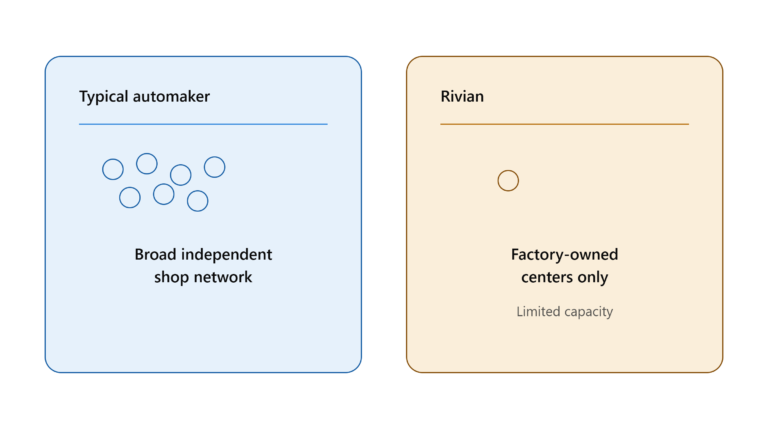
Limited technician availability for high-voltage and ADAS systems. EV repairs require technicians specifically trained on battery systems, high-voltage components, and advanced driver-assistance technology, and fewer shops have this training, which limits competition and raises labor rates, the same repair-network scarcity documented throughout our Tesla, Rivian, and Lucid research.
High vehicle value directly raises comprehensive and collision exposure. All three brands in this comparison carry genuinely elevated purchase prices relative to mainstream EVs, and a higher purchase price means higher replacement value, which insurers build directly into premiums, the standard total-loss-exposure logic covered throughout this site.
One industry-wide ranking makes this pattern explicit: five Audi e-tron models and four of Tesla’s five current models account for nine of the 13 most expensive vehicles tracked in that study, with Lucid, Rivian, and Polestar’s premium models specifically named as sharing the same underlying proprietary-technology cost driver, even though they weren’t among the specific top 13 in that particular dataset.
How location changes the comparison
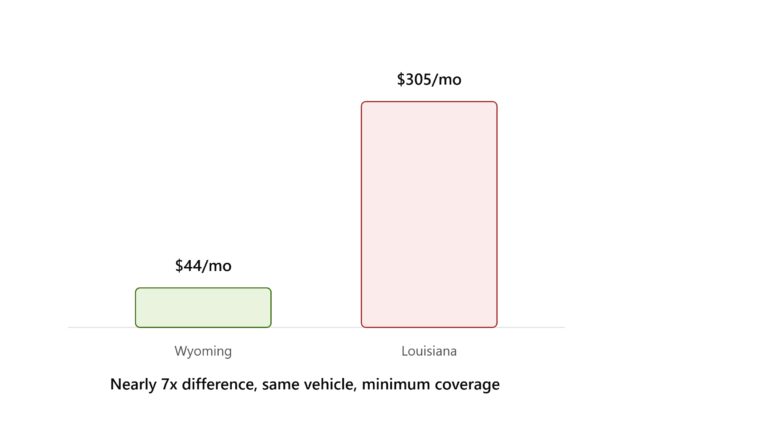
This applies across all three brands, but it’s worth restating specifically in a luxury-EV context. Dense urban areas and states with high medical or litigation costs, Florida, Colorado, Louisiana, parts of California, and New York among them, routinely see luxury EV premiums thousands higher than low-cost rural states, tracking the same state-level patterns documented throughout our broader state-by-state EV insurance guide. For a luxury EV specifically, this state-level swing can represent a larger absolute dollar amount than it would for a mainstream vehicle, simply because the baseline premium is already so much higher.
Best insurers across the luxury EV category
Travelers is specifically identified as offering the lowest rates for electric cars broadly in one comprehensive comparison, worth prioritizing as a first quote regardless of which luxury brand you’re considering.
Lemonade is specifically noted for rewarding EV drivers with extra coverages and special discounts, an EV-native approach consistent with what we found in our broader insurer comparison guide.
Beyond these two specific standouts, the broader guidance covered throughout our luxury and performance EV guides applies directly: get multiple quotes given how much variance exists even within a single luxury brand’s own lineup, and specifically confirm whether any advertised «average» reflects a base trim or a fully loaded performance variant before assuming it applies to your specific vehicle.
A practical framework for choosing between them
If you want the widest network of Supercharger access and the most established EV-specific repair infrastructure, Tesla’s Model S offers that, at the cost of the documented 2.5x collision claims severity covered in our dedicated guide.
If you want a genuinely capable luxury electric SUV without going to the very top of the pricing ladder, the BMW iX’s middle-of-the-pack positioning against Audi, Mercedes, and Tesla rivals makes it a reasonable anchor point for comparison shopping.
If you’re drawn to the Lucid Air specifically, get real quotes before budgeting, given the genuinely unresolved disagreement in published data documented at the top of this guide, don’t plan your budget around either the optimistic $2,000 figure or the pessimistic $458-a-month figure without confirming which one applies to your actual configuration and location.
If sedan versus SUV body style matters to your decision, the BMW i4 offers a genuinely more affordable entry point into this luxury EV comparison than any of the SUV or flagship sedan options covered above, per our dedicated i4 guide.
The bottom line
Luxury EV insurance across Lucid, Tesla, and BMW shares the same underlying cost drivers, proprietary parts, scarce specialized labor, and high vehicle value, but the specific dollar figures vary enormously both between brands and, in the Lucid Air’s case specifically, between different data sources describing the same vehicle. The BMW iX offers the most stable, middle-of-the-pack reference point in this comparison, while the Tesla Model S and Lucid Air both carry real uncertainty, documented claims-severity data for the Model S, and a genuine, unresolved pricing disagreement for the Lucid Air. Whichever brand you’re drawn to, treat every published average in this category as a starting point for real quotes on your specific trim and location, not a promise, given how much the numbers can move within a single brand’s own lineup.
This article is for informational purposes only and does not constitute financial or insurance advice. Insurance rates vary by insurer, state, model year, trim, and individual driver profile, and change frequently. Always get a personalized quote before making a purchasing decision.