Polestar 2 Insurance Cost Analysis
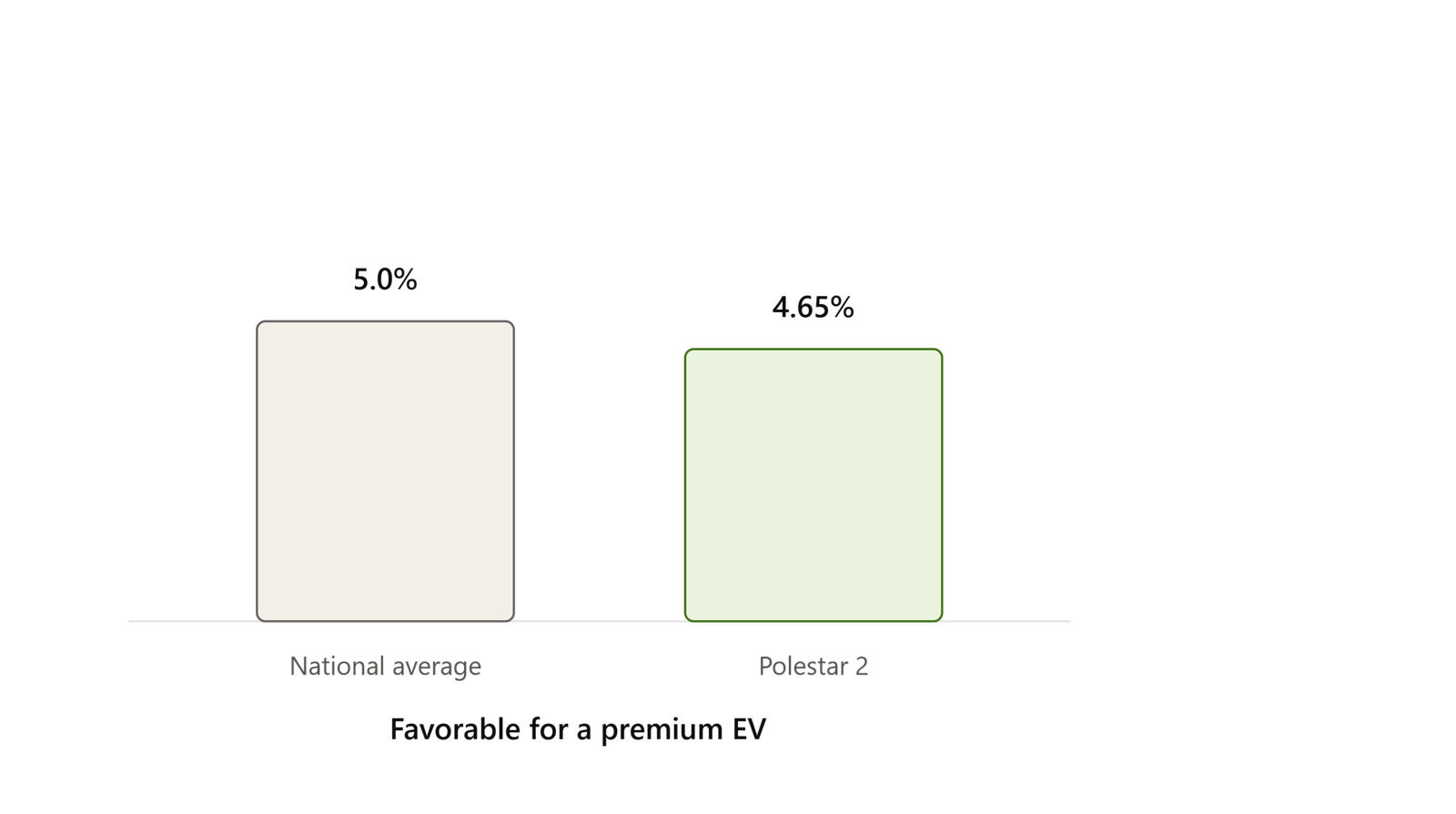
Here’s a genuinely useful way to think about whether a vehicle is «expensive to insure» beyond the raw dollar figure: its price-to-insurance ratio, how much you pay in annual premium relative to what the car actually costs. By that measure, the Polestar 2 actually beats the national average, at 4.65% versus a typical 5% ratio, despite being a genuine premium EV. This guide analyzes the real numbers behind that finding and what actually drives Polestar 2 pricing.
Key takeaways:
- Full coverage on the Polestar 2 averages $2,800 to $2,880 a year across multiple 2026 sources, running about 11% below the broader EV national average of roughly $3,150.
- Its price-to-insurance ratio of 4.65% (premium as a share of the $59,900 starting MSRP) actually beats the roughly 5% national average, a genuinely favorable finding for a premium EV.
- Low theft rates and average, not exceptional, repair costs are the two factors specifically credited with keeping Polestar 2 premiums in check relative to its luxury positioning.
- State variance runs extreme even by this site’s standards: $1,540 a year in Vermont versus $4,340 in Florida, a 2.8x spread for the identical vehicle.
The real numbers
Pulling together multiple 2026 sources gives a consistent, mid-range picture for this vehicle:
- MoneyGeek’s detailed analysis finds $2,880 a year for full coverage ($240 a month), with state-minimum coverage averaging $1,477 a year.
- The Zebra’s data shows $1,478 for a 6-month policy ($2,956 annualized), with Erie offering the cheapest rate at $99 a month.
- Finder.com’s analysis matches MoneyGeek almost exactly at $2,880 a year ($240 a month).
- A dedicated EV-focused cost tracker finds a slightly lower $2,800 a year, specifically describing this as 11% below the EV segment average.
Bringing this together: budget roughly $2,800 to $2,880 a year for full coverage as a realistic planning range, a figure that’s remarkably consistent across independent sources, tighter agreement than we’ve seen for several other models covered throughout this site.
The price-to-insurance ratio: a genuinely useful way to think about this
This is worth introducing as a concept, since it reframes «is this EV expensive to insure» in a more meaningful way than the raw dollar figure alone. One source calculates the Polestar 2’s price-to-insurance ratio at 4.65%, meaning the annual premium represents 4.65% of the vehicle’s $59,900 starting MSRP, slightly below the roughly 5% ratio considered typical nationally.
This is a genuinely favorable result for a vehicle in this price bracket. Compare this to how a Tesla Model S or Model X, covered in our dedicated guides, would likely score on this same ratio, given their documented pattern of running well above typical premium-to-value proportions due to performance and repair-cost factors. The Polestar 2 achieving a below-average ratio despite its genuine premium EV status suggests something specific about how insurers are pricing this particular vehicle’s risk relative to its value, worth understanding in more detail below.
Why the Polestar 2 achieves this favorable ratio
Low theft rates work specifically in its favor. One source explicitly credits low theft rates for helping keep Polestar 2 premiums in check, a genuinely different story from certain Tesla models covered in our dedicated Tesla Insurance research, which have faced elevated theft and vandalism concerns in recent years. A less commonly stolen vehicle carries lower comprehensive-coverage risk, directly benefiting the overall premium.
Repair costs are described as «average,» not exceptional. This is a meaningfully different characterization than we’ve applied to Rivian or Tesla’s most expensive models elsewhere on this site, where proprietary parts and limited repair networks were specifically identified as driving costs upward. Standard, average repair costs for the Polestar 2 suggest a more conventional, less specialized repair profile than some of its EV-only competitors.
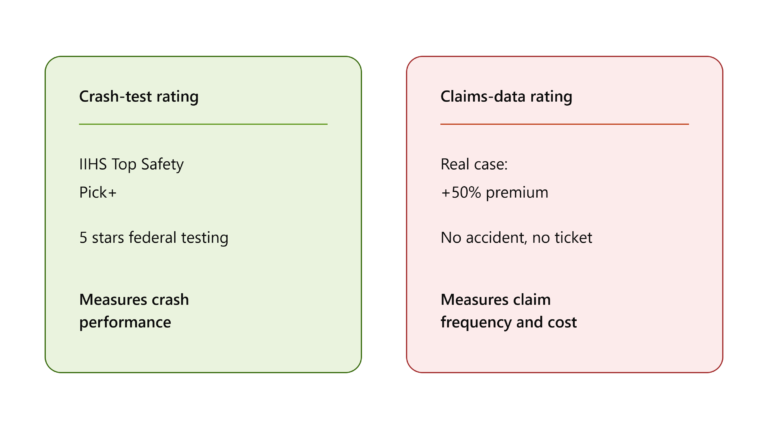
Good safety ratings support the favorable pricing, consistent with the safety-driven parity pattern we found for the Volkswagen ID.4 in our dedicated guide, strong crash performance gives insurers more confidence in pricing the vehicle favorably relative to its value.
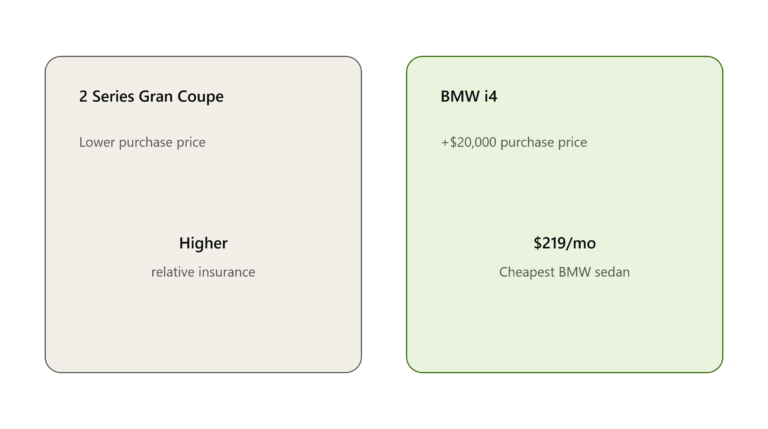
Being a sedan body style helps generally. One source notes that sedans tend to be cheaper to insure than SUVs or trucks as a general category, a structural advantage the Polestar 2 shares with other sedan-bodied EVs like the BMW i4 covered in our dedicated guide.
Where the «being electric» penalty still shows up
It’s worth being balanced here rather than presenting the Polestar 2 as immune to EV cost factors entirely. Being electric does work against the Polestar 2 at the insurer’s desk, EVs typically cost a little more to insure than gas-powered equivalents due to higher repair and parts costs, the same baseline factor covered throughout this site. The Polestar 2’s favorable positioning comes from outperforming what you’d expect for its specific combination of value, theft risk, and repair profile, not from being exempt from the general EV premium altogether.
Model year and trim create real spread
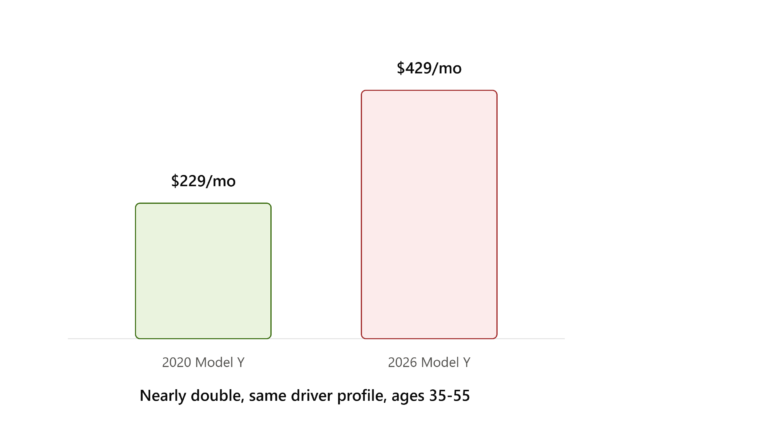
Within the Polestar 2 lineup, model year moves the number substantially: premiums start at $109 a month for older models and reach $324 a month for the newest ones, nearly a 3x spread, consistent with the depreciation-driven pattern documented throughout nearly every model guide on this site (with the notable exception of the BMW i4, covered in our dedicated guide). Trim level adds further variance, with monthly premiums ranging from $102 to $331 depending on the specific configuration.
The extreme state-level swing
This is worth taking seriously given how dramatic it runs even by this site’s standards. Real Polestar 2 insurance cost varies from $1,540 a year in Vermont to $4,340 a year in Florida, a 2.8x spread for the identical vehicle, tracking the broader state-level patterns covered throughout our dedicated state-by-state EV insurance guide: Vermont’s low-density, low-claim-frequency profile against Florida’s hurricane exposure, high traffic density, and elevated litigation environment.
Where the Polestar 2 ranks within its own vehicle class
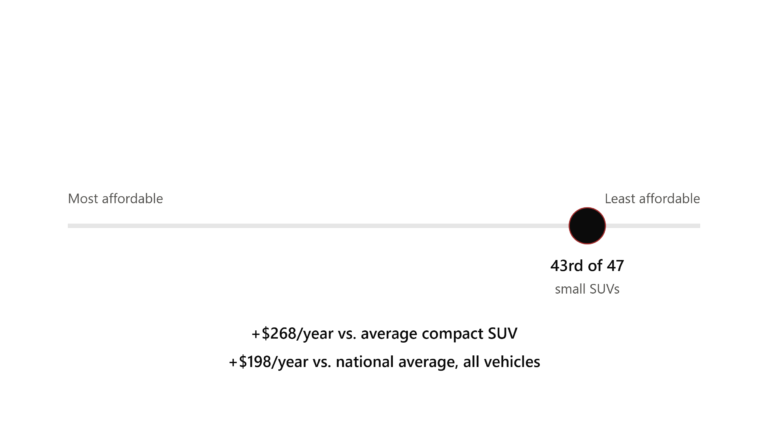
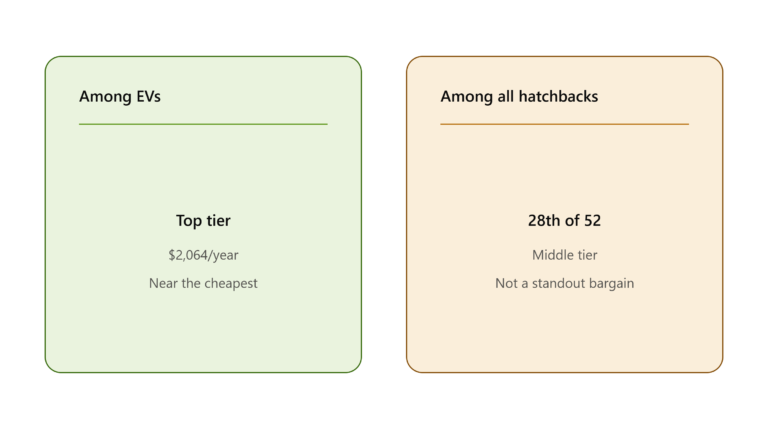
MoneyGeek’s analysis of 52 hatchbacks places the Polestar 2 at 45th for insurance affordability, meaning only seven hatchback models cost more to insure, a genuinely expensive position within its specific body style category. Among all 827 vehicles in that same database, the Polestar 2 ranks 647th for affordability. This is worth holding alongside the favorable price-to-insurance ratio finding above: the Polestar 2 is genuinely expensive in absolute terms and relative to other hatchbacks specifically, but reasonably efficient relative to its own high purchase price, two different, both accurate, ways of describing the same vehicle.
Best insurers for a Polestar 2
Erie offers the cheapest rate for the latest model year in one direct comparison, at $99 a month, consistent with Erie’s broader strength for EV-specific claims handling covered throughout this site, though as noted elsewhere, Erie’s availability is limited to the Northeast and Great Lakes regions.
Beyond Erie’s specific standout showing, the broader guidance covered throughout this site applies directly: compare across multiple insurers given the documented spread of over $68 for minimum coverage and $136 for full coverage between companies, and be specifically skeptical of unrealistically low advertised rates (some telematics-heavy, limited-state insurers quote around $34 a month) versus more realistic figures exceeding $400 for similar drivers, a caution consistent with the pattern we flagged in our Kia EV6 and Rivian R1S guides.
How to actually lower your Polestar 2 premium
Compare coverage limits and deductibles carefully across quotes. Online quote tools often default to low liability limits and high deductibles to make monthly prices look attractive, worth confirming you’re comparing genuinely equivalent coverage rather than being misled by an artificially low headline number.
Consider an older model year if minimizing cost matters, given the nearly 3x spread documented between older and newer Polestar 2 premiums above.
Claim the standard discount stack. Anti-lock brake, anti-theft, and safety device discounts specifically apply to the Polestar 2, worth confirming are reflected in your quote.
Factor in your specific state heavily, given the documented 2.8x swing between Vermont and Florida.
Consider adding the Polestar 2 to an existing multi-car policy if you have one. Real owner reports specifically describe paying around $60 a month to add a Polestar 2 to a multi-car policy, meaningfully below standalone-policy pricing, consistent with the multi-vehicle discount guidance covered throughout our broader savings guides.
The bottom line
The Polestar 2 presents a genuinely nuanced insurance picture: expensive in absolute dollar terms and within its own hatchback vehicle class, but favorably priced relative to its own purchase value, with a below-average price-to-insurance ratio driven by low theft rates, average (not exceptional) repair costs, and solid safety performance. Erie stands out as a specific standout insurer where available, and the extreme state-level and model-year variance documented throughout this guide means your actual number depends heavily on factors within your control, which insurer you choose, which model year you buy, and how you structure your policy, more than on the Polestar 2’s inherent EV status alone.
This article is for informational purposes only and does not constitute financial or insurance advice. Insurance rates vary by insurer, state, model year, trim, and individual driver profile, and change frequently. Always get a personalized quote before making a purchasing decision.