Lucid Air Insurance: Luxury EV Premium Guide
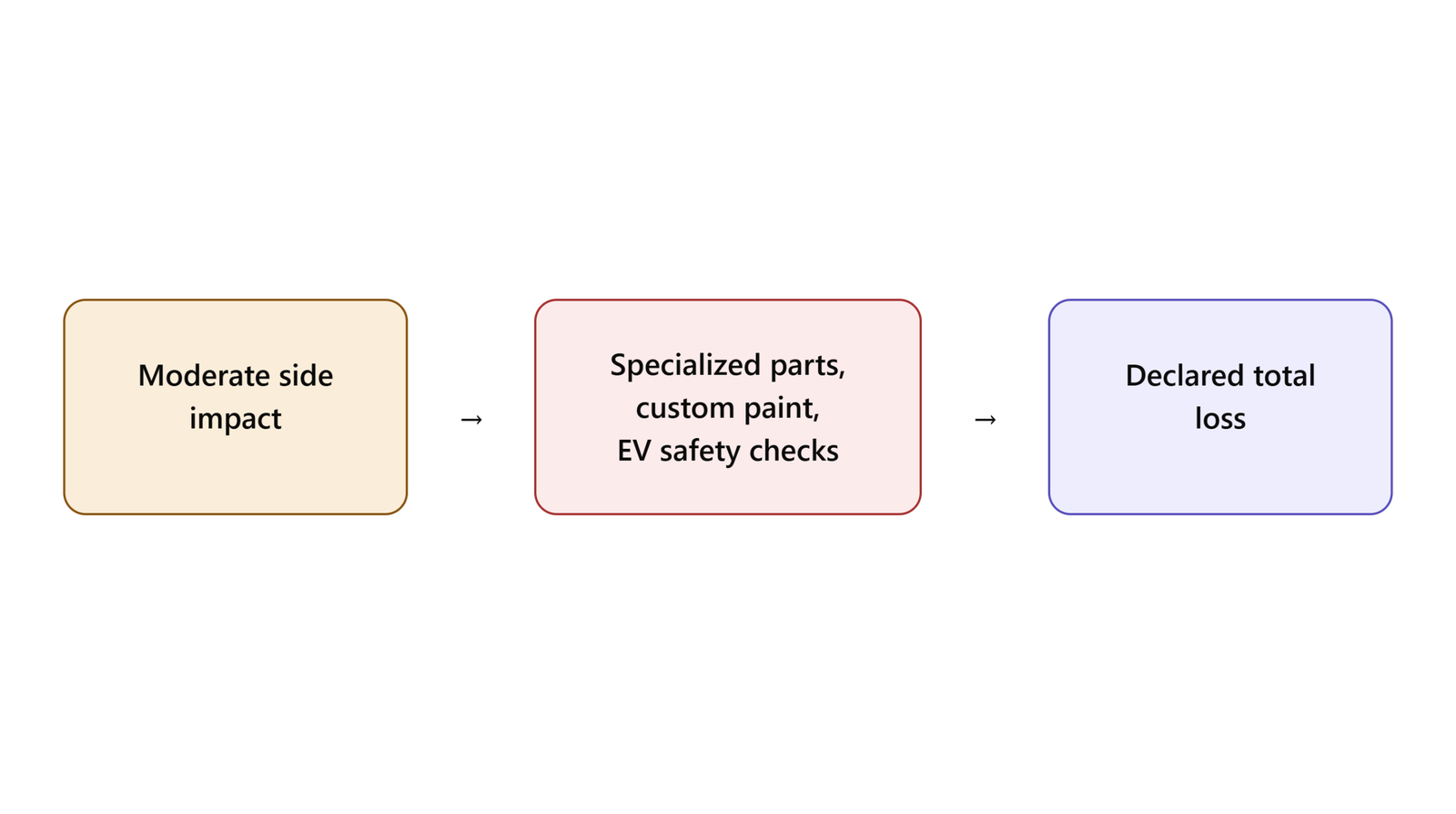
Some Lucid Air owners have reported their car declared a total loss after a relatively contained side impact, not because the car is fragile, but because the repair economics simply don’t add up. That single pattern explains more about Lucid Air insurance than almost any other fact in this guide. This is a genuine six-figure luxury EV, and its insurance pricing reflects every factor that makes this vehicle category expensive, stacked together in one car.
Key takeaways:
- Full coverage on a new Lucid Air typically runs $2,500 to $4,800 a year across most 2026 sources, with $250 to $406 a month as the most commonly cited range for a clean-record driver.
- Even moderate, relatively contained damage can trigger a total-loss declaration, since specialized parts, custom paint, and EV-specific safety procedures push the repair bill past what insurers consider worth fixing.
- Trim matters enormously: a base Pure trim sits in the middle of the pricing range, while the Grand Touring and Sapphire trims typically land at the top given their extreme power and correspondingly higher assumed claim severity.
- Top overall crash-test scores genuinely help offset some of the Air’s risk profile, one of the few factors working in the owner’s favor against an otherwise expensive-to-insure vehicle.
The real numbers
Consistent with the wide-range pattern covered throughout our luxury EV guides, multiple 2026 sources converge on a genuinely broad but directionally consistent picture:
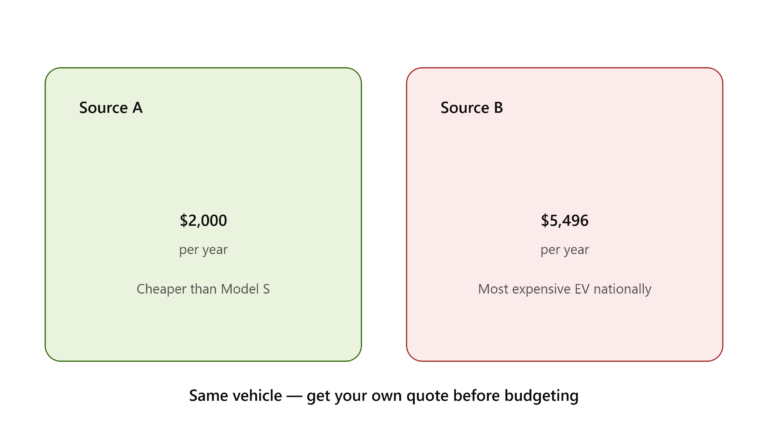
- One comprehensive guide finds $2,000 to $2,400 a year for clean driving and strong credit, describing this as competitive for a flagship luxury EV despite being more than double a typical sedan.
- A separate analysis finds a notably higher $3,000 to $3,800 a year for a new car with a clean record and good credit.
- A third source finds $2,500 to $4,500 a year for many mainstream drivers, with real owner reports of totaled vehicles after moderate damage cited as a specific reason insurers price conservatively.
- A dedicated savings-focused guide finds $2,400 to $4,800 a year, describing this as more expensive than typical luxury sedans and even many Teslas.
- National comparison data pegs a 6-month full-coverage policy at $2,438 (about $406 a month) for a 30-year-old clean-record driver.
Bringing this together: budget roughly $2,500 to $4,500 a year for full coverage as a realistic planning range for a new Lucid Air, with your specific trim, age, location, and driving record shaping where in that range you actually land.
The total-loss pattern, explained
This deserves the most attention in this entire guide, since it’s the clearest illustration of how a luxury EV’s insurance risk actually works in practice. Real owner reports describe Lucid Airs totaled after relatively contained side impacts, not because the vehicle’s structure failed to protect its occupants, but because of what happens on the repair-cost side: specialized parts, custom paint jobs, and EV-specific safety procedures (battery inspection, sensor recalibration, and similar EV-specific protocols covered throughout our broader Tesla and battery research) combine to push the repair bill past what the vehicle is worth to fix, even for damage that would be a routine repair on a mainstream vehicle.
This connects directly to a pattern covered throughout this site: insurers don’t just price the average claim, they price the realistic possibility of exactly this scenario, a moderate-severity accident escalating into a total loss purely because of repair economics rather than actual structural damage. For a vehicle with a six-figure replacement value in many trims, that total-loss exposure gets built directly into every Lucid Air owner’s premium, not just the unlucky few who actually experience it.
Why the Lucid Air checks nearly every expensive-to-insure box
High vehicle value drives comprehensive and collision costs directly. With 2026 MSRPs well into six figures for higher trims, insurers have genuinely significant exposure if a Lucid is stolen or totaled, the same replacement-value logic covered throughout our Tesla Model S and Rivian guides.
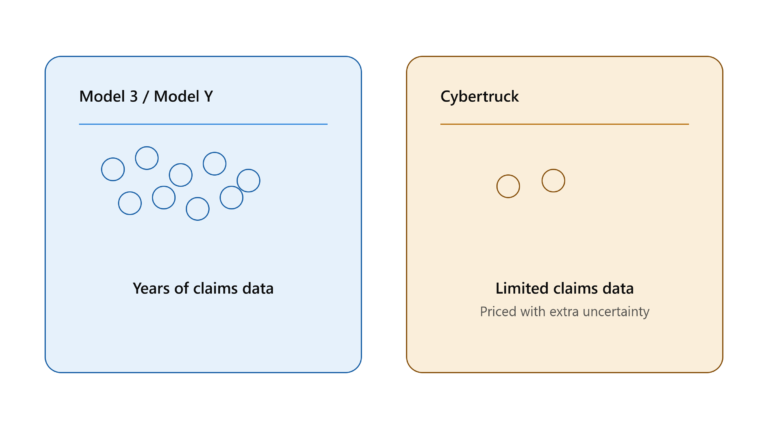
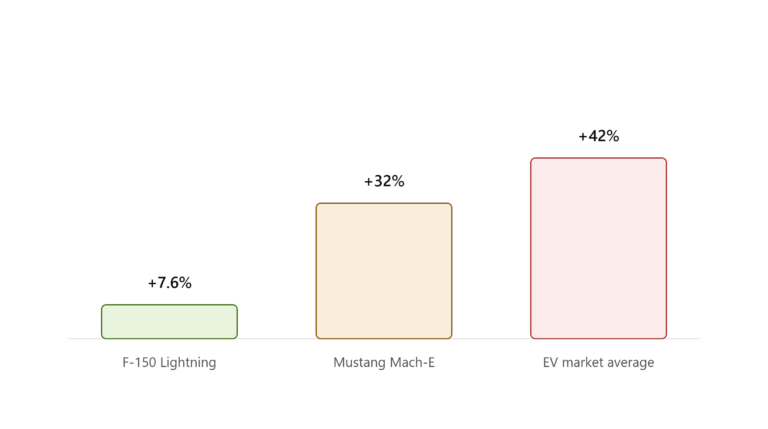
EV claims data is still maturing, and this effect is more pronounced for rare luxury EVs specifically. Industry research shows EV premiums running higher than comparable gas models because carriers are still learning how expensive EV claims really run, and while this gap has been narrowing for mainstream EVs, as covered in our guide on whether EV insurance rates drop over time, it remains genuinely pronounced for lower-volume luxury models like the Air, similar to the limited-claims-data uncertainty documented in our Tesla Cybertruck guide.
Limited certified repair capacity compounds every other factor. Not every body shop can safely repair a Lucid Air, specialized shops, OEM parts, and driver-assistance sensor calibration requirements mean cars often go to specialized centers with higher labor rates and longer repair times, directly echoing the repair-network limitations covered throughout our Tesla and Rivian research.
Extreme performance on higher trims adds a genuine risk premium. The Air, especially in Grand Touring and Sapphire trims, offers genuinely brutal acceleration, and faster cars tend to produce bigger, more expensive claims, prompting underwriters to price in that risk the same way covered in our dedicated Tesla Model S guide for the Plaid trim.
The one factor working in the Lucid Air’s favor
It’s worth balancing the picture above with a genuine positive: recent Lucid Air models have earned top overall crash-test scores, which helps offset some of the vehicle’s otherwise elevated insurance risk, similar to the safety-driven mitigation we documented for the Volkswagen ID.4 and BMW i4 in our dedicated guides. This doesn’t outweigh the total-loss and repair-cost factors covered above, but it does mean the Lucid Air’s premium, while genuinely high, likely reflects a more favorable risk profile than an equally expensive vehicle with weaker safety performance would carry.
How trim level moves the number
Within the Lucid Air lineup, trim creates real, meaningful spread. The base Pure trim sits at a comparatively lower point in the range, though still firmly in luxury-EV territory. Mid-tier trims like the Touring sit in the middle, where premiums feel high but manageable for many buyers. The Grand Touring and Sapphire trims are typically the priciest to insure, driven by both their higher purchase price and their extreme power, which insurers assume translates into higher claim severity, consistent with the trim-level pattern documented throughout our Tesla Model 3 and Model S guides. If you’re cross-shopping trims, it’s worth running real quotes on each specific VIN rather than assuming a uniform percentage difference between them.
Does buying used meaningfully help?
Yes, and there’s a specific, notable reason it helps more for the Lucid Air than for many other vehicles covered on this site. Early Lucid Air buyers saw steep resale drops as Lucid cut new-car prices, launched new trims, and the broader EV market softened, a depreciation pattern reminiscent of the 2023 Tesla price-cut episode covered in our GAP insurance guide. That’s genuinely painful if you bought at launch, but it creates a real opportunity for used buyers today: a lower actual cash value directly reduces the comprehensive and collision math driving much of the new-car premium documented throughout this guide.
How age affects your Lucid Air premium
Following the age-based pattern covered throughout our dedicated EV-by-age guide, younger drivers can see Lucid Air premiums roughly double the typical middle-age sweet-spot range, while safe older drivers with strong credit often land toward the lower end of the overall range. Given how high the Air’s baseline already runs, this age-based multiplier translates into larger absolute dollar swings than it would for a more moderately priced vehicle.
How to actually lower your Lucid Air premium
Get at least three to five quotes. There’s no single «Lucid-friendly» insurer across all states, some mainstream carriers remain cautious on newer EV brands while others actively court luxury EV owners with better pricing, making comparison shopping genuinely valuable here.
Consider a used Lucid Air if minimizing cost is a real priority, given the documented depreciation opportunity covered above.
Raise your comprehensive and collision deductible from $500 to $1,000 if you can comfortably absorb it, following the general deductible guidance covered throughout our broader coverage guides, particularly relevant given how large the gap between deductible tiers becomes on a vehicle this expensive.
Never drop to state-minimum liability on a vehicle this valuable. Aim for at least 100/300/50 liability limits, and consider a separate umbrella policy, covered in our dedicated umbrella insurance guide, if you want additional protection beyond what your auto policy alone provides.
Bundle with other household policies and vehicles. Multi-car and multi-policy discounts can shave a meaningful amount off an otherwise high Lucid premium, especially if other vehicles on the policy are cheaper to insure.
Ask specifically about usage-based and safety-feature discounts. Programs that track driving behavior via app or plug-in device, similar to the telematics options covered throughout this site, can reward smooth braking and limited night driving with real savings on an otherwise expensive baseline premium.
The bottom line
The Lucid Air combines nearly every expensive-to-insure factor documented throughout this site into a single vehicle: six-figure replacement value, a documented pattern of total-loss declarations even for moderate damage, limited certified repair capacity, and, on higher trims, genuine supercar-level performance. Strong crash-test safety ratings provide a real but partial offset. If you’re shopping for a Lucid Air, budget for genuine luxury-EV-tier insurance costs, $2,500 to $4,500 a year is a realistic planning range for most drivers, get multiple quotes given how unevenly insurers currently price this specific brand, and seriously consider a used example given the well-documented depreciation opportunity that early Lucid buyers’ pricing struggles created for today’s used-market shoppers.
This article is for informational purposes only and does not constitute financial or insurance advice. Insurance rates vary by insurer, state, model year, trim, and individual driver profile, and change frequently. Always get a personalized quote before making a purchasing decision.