Short answer: installing a home charger generally won’t raise your auto insurance premium, and by itself it usually won’t raise your homeowners premium either. But «usually won’t raise it» isn’t the same as «has nothing to do with your insurance,» and there are a few real gaps worth closing before you assume your charger is automatically covered if something goes wrong. This guide breaks down exactly how a home charger interacts with each type of policy you might have.
Key takeaways:
- Simply owning an EV and charging it at home typically doesn’t change your homeowners, renters, or condo insurance premium, since the vehicle itself falls under your auto policy.
- Your home charger, however, is a different story: it’s physical property attached to or stored in your home, and it needs to actually be covered, not just assumed to be covered.
- A permanently installed (hardwired) Level 2 charger is usually treated differently by insurers than a portable, plug-in charger, and that distinction matters for how it’s covered.
- Professional, permitted installation isn’t just a safety recommendation, it can directly affect whether your homeowners policy responds if something goes wrong.
Does the charger itself raise your premium?
Multiple insurance industry sources are consistent on this point: having an in-home EV charging unit in your garage or on your property should not negatively affect your homeowners insurance premium on its own, according to representatives at the Insurance Information Institute. Owning an EV doesn’t automatically raise your homeowners, renters, or condo premium either, since the vehicle itself is covered under a separate auto policy, not your property policy.
So if the question is purely «will adding a charger make my monthly homeowners bill go up,» the honest answer for most owners is no, not by itself. But that’s a narrower question than most people actually mean to ask, and the more useful question is whether your charger is properly covered if something does happen to it.
The real issue: is your charger actually covered?
This is where things get more specific, and where a lot of owners assume coverage exists when it might not, at least not automatically.
A permanently installed, hardwired Level 2 charger is generally treated as part of your home’s structure once it’s mounted and wired in. Under most homeowners policies, this kind of charger can be covered under dwelling coverage or personal property coverage if it’s damaged by a covered peril, meaning fire, storm damage, vandalism, or similar events specifically named in your policy. However, coverage isn’t automatic just because the charger exists. It depends on your policy’s specific language, your coverage limits, and whether you’ve actually told your insurer it’s there.
A portable, plug-in Level 1 charger (the cord-and-adapter setup that plugs into a standard outlet) is often treated more like a piece of personal property you can move or store, similar to any other appliance, rather than as part of the structure of your home. That distinction can matter for how a claim gets processed if it’s ever damaged or stolen.
Renters and condo policies typically focus on personal property and liability rather than the building itself, which means an installed charger in a rental or condo setting may need a specific add-on, and may also require your landlord’s or HOA’s approval before installation in the first place.
The step most owners skip: telling your insurer
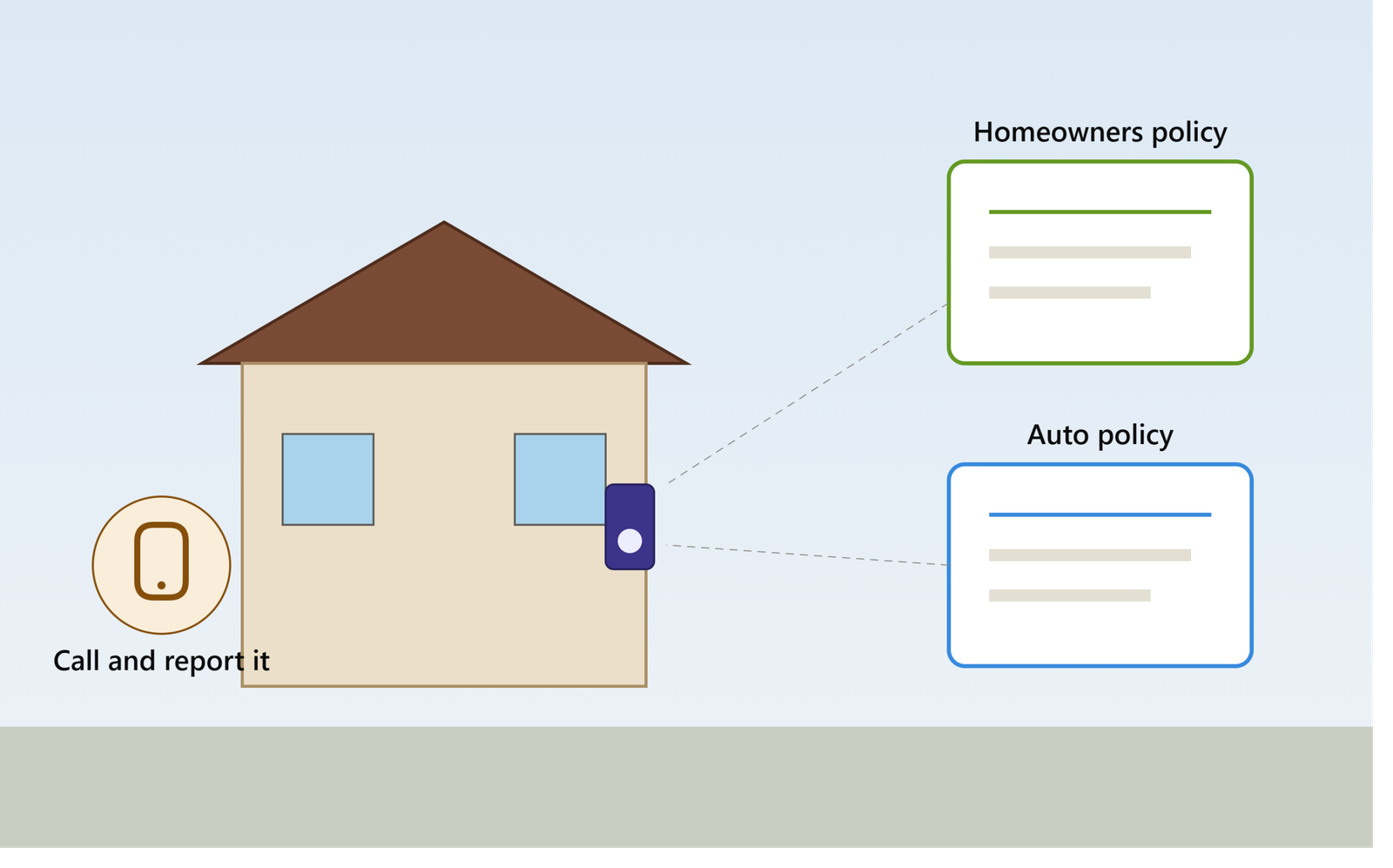
Here’s the practical gap that shows up again and again in guidance from major insurers: a permanently installed charger isn’t guaranteed coverage under a standard policy just by existing. It’s important to proactively inform your insurer that you have an in-home EV charging unit so it’s properly reflected and covered in the event of a loss.
In plain terms, don’t assume your $1,750 to $2,500 charger (a typical price range before installation costs) is automatically protected. Call your homeowners insurance agent, tell them specifically what you installed, when, and by whom, and confirm in writing what’s covered and up to what limit. This single phone call closes most of the coverage gap that catches owners off guard.
What kind of risks does a home charger actually introduce?
It’s worth understanding what your insurer is thinking about when you make that call, since it explains why the conversation matters:
Electrical fire risk from improper installation. This is the single biggest concern insurers raise, and it isn’t really about the charger itself, it’s about how it was installed. DIY installations or improper torque settings and undersized wiring are cited as leading causes of residential electrical fires, which is why professional installation isn’t just a safety nice-to-have, it can directly affect whether your homeowners policy responds if there’s ever a fire traced back to faulty wiring.
Power surge and lightning exposure. Home charging equipment, like any major electrical appliance, carries some exposure to power surge and lightning damage. Insurers have seen this cost add up across the industry broadly, which is part of why proper installation and, in some cases, surge protection are worth discussing directly with your electrician and insurer.
Liability from charger-related incidents. If a charger-related electrical issue causes damage to your home, that liability is typically handled under your home insurance’s liability coverage, another reason your insurer needs to actually know the equipment exists.
Vehicle-to-charger collision damage. If you back into your own home charging station in the garage, that’s a different scenario entirely, one that typically falls under your auto policy’s collision coverage rather than your homeowners policy, since the vehicle caused the damage.
One risk that consistently gets overstated in casual conversation: EV battery fire risk during home charging. Despite the persistent worry, EVs are statistically a lower fire risk than gas-powered cars, which rely on a highly flammable fuel and have many more potential ignition points. This particular fear shouldn’t be a major driver of your insurance decisions, even though it’s a common assumption.
Does professional installation actually matter for insurance purposes?
Yes, more than most owners realize going in. Professional installation by a licensed electrician protects your vehicle’s warranty and helps ensure your homeowners policy remains valid if a claim related to the charger ever comes up. Insurers are specifically looking at whether the installation was done to code, permitted where required, and performed by someone qualified, not just whether a charger exists in the garage.
This connects directly to a broader piece of advice worth repeating: an outdated electrical panel that can’t safely support a Level 2 charger isn’t just an inconvenience, in 2026 it’s treated by some insurers as a real liability concern, one more reason to have a licensed electrician assess your panel capacity before installation rather than after a problem occurs.
Does your auto insurance play any role here?
A smaller one, but yes. Some auto insurers now offer specific endorsements that extend coverage to home charging equipment or to damage tied to the charging process itself, which can add a layer of clarity beyond what your homeowners policy alone provides. It’s worth asking your auto insurer directly whether they offer this kind of endorsement, particularly if you’re already shopping around for EV-specific discounts as covered in our broader guide to lowering EV insurance costs.
Separately, simply adding an EV to your household as an additional vehicle can sometimes qualify you for a multi-vehicle discount on your auto policy, an unrelated but worthwhile discount to ask about at the same time you’re having the charger coverage conversation.
A simple checklist before and after installation
Before installing:
- Confirm your electrical panel has adequate capacity, or budget for an upgrade, with a licensed electrician.
- Get any required permits pulled by your installer rather than skipping them to save time.
- Ask your homeowners insurer in advance what documentation they’ll want once the charger is installed.
After installing:
- Call your homeowners insurer and specifically report the new charger, including installation date and installer information.
- Ask directly what’s covered, dwelling coverage, personal property coverage, or a separate endorsement, and get the answer in writing or via email.
- Ask your auto insurer whether they offer any charging-equipment endorsement or multi-vehicle discount you haven’t already claimed.
- Keep your installation paperwork and permit documentation somewhere easy to find, since you’ll want it on hand if you ever do need to file a claim.
The bottom line
A home EV charger, by itself, usually won’t raise your insurance premium, but it also isn’t automatically and fully covered just because you installed one. The real work is making sure your insurer actually knows the charger exists, confirming what’s covered under your specific policy, and making sure the installation itself was done professionally and to code, since that last point can be the difference between a claim being paid and being denied if something ever goes wrong. A single phone call to your insurer after installation closes most of this gap, and it costs you nothing but a few minutes.
This article is for informational purposes only and does not constitute financial or insurance advice. Coverage details vary significantly by insurer, policy, and state. Always confirm specific coverage terms directly with your homeowners and auto insurance providers.