Most EV owners know to ask about a green vehicle discount and stop there. That’s leaving real money on the table. This guide covers the full list, the well-known ones and the genuinely overlooked ones, with actual dollar figures and insurer names so you know exactly what to ask for and who to ask.
Key takeaways:
- The dedicated «EV discount» itself is typically modest, around 5% to 15% depending on the insurer, and isn’t offered by every company.
- Bundling, telematics, and low-mileage discounts usually save EV drivers more in total than the EV-specific discount alone.
- Several of the most overlooked discounts have nothing to do with being an EV owner at all, they’re general discounts many EV owners simply never ask about.
- Comparing quotes and switching carriers saves a median of $461 a year according to one large consumer survey, more than any single discount typically delivers on its own.
The EV-specific discount: smaller than people expect
Let’s start with the one everyone asks about, since it’s worth setting realistic expectations. Not every insurer offers a dedicated green vehicle, alternative fuel, or EV discount, and among those that do, the savings are typically modest:
- Travelers, Nationwide, and The Hartford are consistently named among the insurers offering the strongest EV-specific discounts, with Travelers in particular standing out as one of the few major carriers offering discounts for both hybrid and electric vehicles specifically.
- Mercury also offers a dedicated EV discount in the same general 5% to 15% range.
- Premium reductions from this category of discount often average around 5% per six-month policy period, meaning roughly 10% annually in typical cases, though this varies by insurer and state.
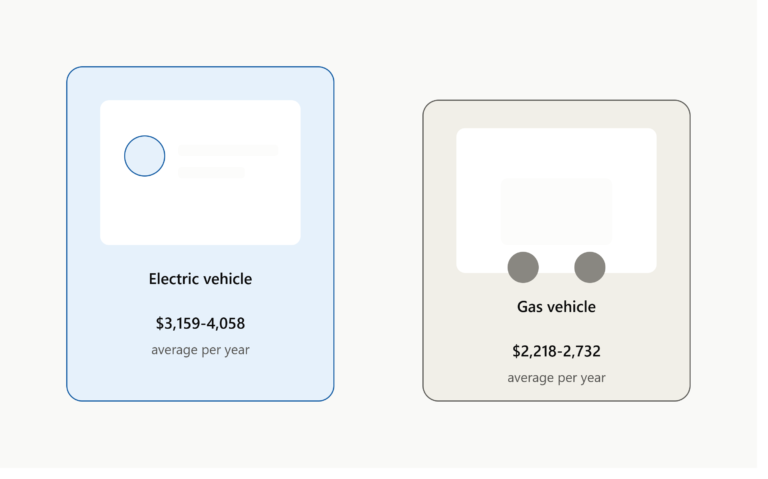
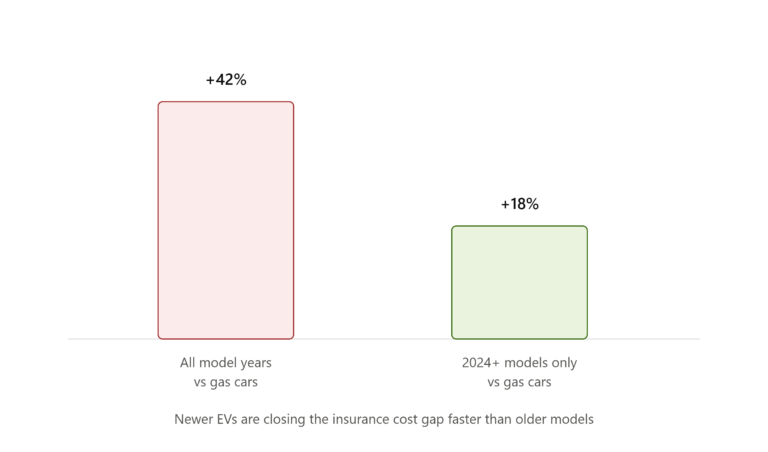
The honest takeaway: don’t expect the EV discount alone to meaningfully close the EV-to-gas insurance gap. It’s worth claiming, but it’s a modest piece of the total savings picture, not the main event.
The discounts that usually save you more
This is where most of the real money is, and these apply whether you’re driving an EV or not, which is exactly why they’re so commonly overlooked by EV owners fixated on finding an «EV discount.»
Multi-car discount. Insuring two or more vehicles on the same policy typically earns 10% to 25% off each vehicle. One major insurer specifically offers up to 25% off through this discount if you have another car in the household, electric or not.
Bundling home or renters insurance. As covered throughout this site, this remains one of the single largest available discounts, commonly saving 10% to 25% on your total insurance cost.
New car discount. Newer vehicles with better safety ratings and modern, more readily available repair parts can qualify for a new car discount during the first two to three model years. One major insurer offers a 15% new vehicle discount specifically for cars less than three years old, a detail worth knowing given how many EV owners are driving genuinely new vehicles.
Telematics or usage-based programs. As covered in our broader guide to lowering your premium, these can unlock discounts of 10% to 30% for genuinely safe, low-mileage drivers, and multiple major carriers offer versions of this program.
The genuinely overlooked ones
These are the discounts that show up consistently in «most overlooked» analyses, and they’re worth a specific, deliberate check rather than assuming your policy already reflects them.
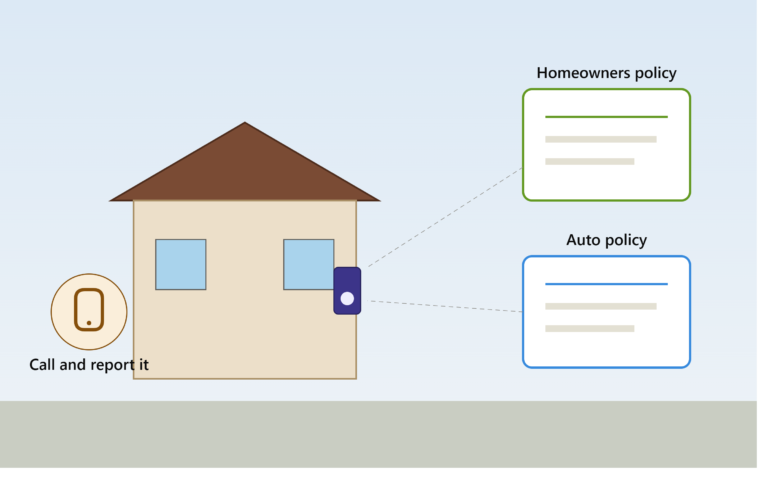
Updated mileage estimates. If your driving habits have changed, working from home, a shorter commute, fewer road trips, and you haven’t told your insurer, you may still be paying commuter-level rates on a car that barely leaves the garage. This single update alone can save $200 to $400 a year, and it costs nothing but a phone call to report.
Garaging location. Where your car is parked overnight matters to your insurer, and this is specifically flagged as one of the least-known discounts available. A locked garage versus regular street parking can meaningfully affect your rate, and if you’ve moved or changed your parking situation without updating your insurer, you may be missing this adjustment entirely.
Safety feature discounts. Vehicles equipped with advanced driver-assistance systems, automatic emergency braking, lane departure warning, blind-spot monitoring, often qualify for a separate discount beyond any general EV discount, since insurers recognize these features specifically reduce crash frequency. Most EVs come well-equipped with this technology standard, making this an easy one to claim but easy to overlook since it isn’t always applied automatically.
Anti-theft device discount. Factory-installed or aftermarket anti-theft systems, alarms, GPS tracking, steering wheel locks, can earn a discount of 5% to 15%. Given the elevated theft and vandalism concerns some EV models have faced in recent years, this is worth specifically confirming is applied if your vehicle has any of these systems.
Defensive driving course completion. As covered in our broader savings guide, many states legally require insurers to offer a discount, typically 5% to 10% for three years, to drivers who voluntarily complete an approved course. This is a guaranteed discount in states that mandate it, yet remains widely unclaimed simply because people don’t take the course.
Paid-in-full discount. Paying your policy in full upfront rather than in monthly installments often earns a modest but real discount, since it reduces administrative cost and payment risk for the insurer.
Accident forgiveness enrollment. Some insurers offer accident forgiveness after a set number of years with a clean record, which isn’t a discount in the traditional sense but protects your rate from jumping after a single at-fault incident, effectively preserving savings you’d otherwise lose.
Which insurers combine the most relevant discounts for EV owners
Based on 2026 comparisons, a few carriers stand out specifically for EV owners looking to stack multiple discounts:
- Travelers offers among the most competitive starting rates for EVs, with quotes starting around $66 a month in some markets, plus a dedicated EV discount, though it offers somewhat fewer total discount categories than some competitors.
- Farmers is noted for having a particularly long list of discount options relevant to EV owners, useful if you qualify for several categories at once.
- GEICO combines a 15% new vehicle discount with up to 25% multi-car savings, a strong combination for an EV owner who recently bought and has another vehicle in the household.
- USAA offers dedicated discounts specifically for EV-owning military members and families, alongside generally strong EV coverage, though availability is restricted to military-affiliated customers and some regions.
- Progressive offers flexible, customizable EV coverage plans and its Snapshot telematics program, which can meaningfully reduce rates for low-mileage, safe EV drivers specifically.
A quick audit you can run today
Given how many of these discounts require you to proactively report something rather than being applied automatically, a short audit is worth doing right now, regardless of when your policy renews:
- Call or log into your insurer’s portal and check your listed annual mileage. If it’s outdated, correct it immediately, this is one of the highest-value, lowest-effort fixes available.
- Confirm your garaging location is accurate, especially if you’ve moved or your parking situation has changed since you first got the policy.
- Ask directly whether your vehicle’s safety features and anti-theft systems are reflected in your discount list. These aren’t always applied automatically just because the car has them.
- Ask specifically: «What discounts am I not currently receiving that I might qualify for?» This open-ended question often surfaces options that wouldn’t come up otherwise, since agents don’t always volunteer every applicable discount unprompted.
- Get at least two comparison quotes, even if you plan to stay with your current insurer. Given that switching saves a median of $461 a year according to one large survey, this step alone often outweighs any single discount on this list.
The bottom line
The dedicated EV discount is real but modest, typically 5% to 15% and not available at every insurer. The bigger opportunity lies in the discounts most EV owners never think to ask about specifically because they don’t sound EV-related: updated mileage, garaging location, safety features, anti-theft systems, and simply comparing quotes across insurers. Running through this list once, and then again at every renewal, is one of the lowest-effort, highest-value habits an EV owner can build, and unlike a one-time incentive or rebate, most of these savings repeat every single year you hold the policy.
This article is for informational purposes only and does not constitute financial or insurance advice. Discount availability, eligibility, and amounts vary by insurer and state, and change frequently. Always confirm specific discounts directly with your insurer.